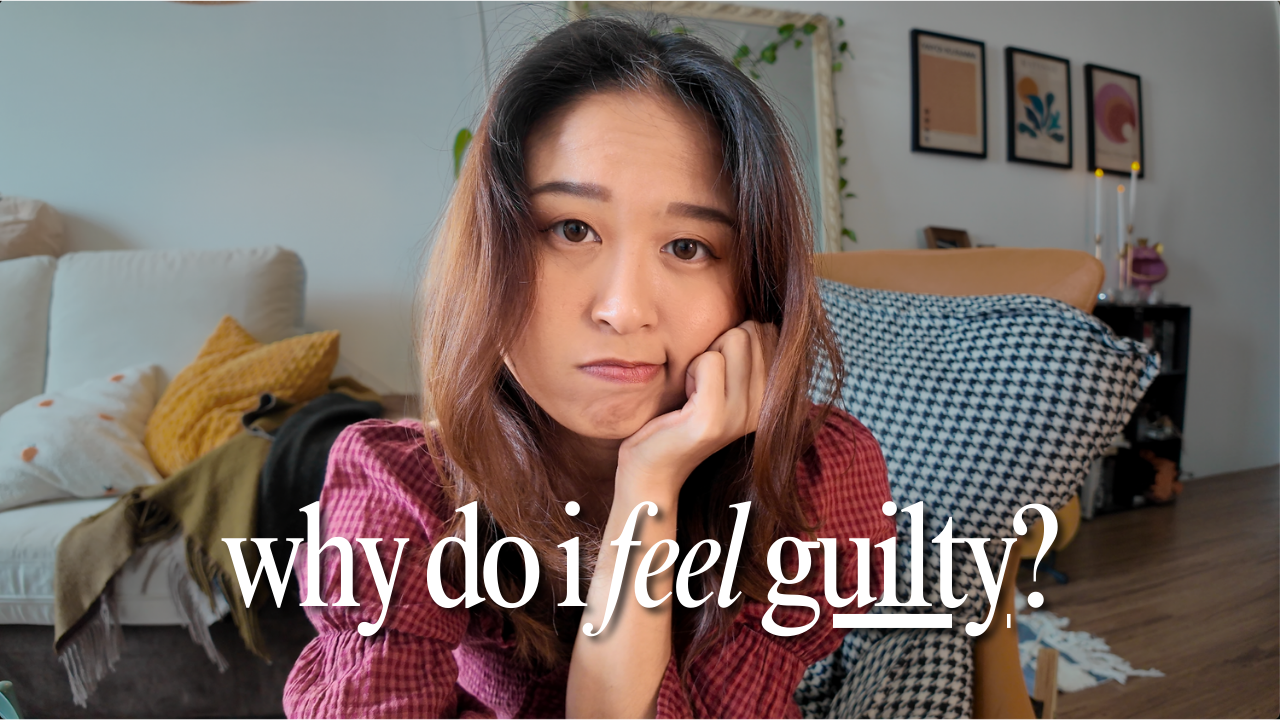
In this episode, we talked about:
- Why wanting more feels heavier as we get older
- The pressure of life timelines and expectations
- How life rarely unfolds in a straight line
- Letting go of guilt around personal dreams
- Receiving support during rebuilding seasons
- Taking small steps toward a new life direction
Listen to the full episode now:
“You can want more and still love the life you have right now.”
Timestamp:
- 0:00 intro – when did wanting more start feeling wrong
- 1:23 why wanting more gets harder as we get older
- 1:32 expectations of life in your 30s
- 2:53 appreciating life but feeling pressure to achieve
- 4:39 life isn’t linear (and that’s okay)
- 5:17 real life examples of different timelines
- 7:31 it’s never too late to change direction
- 8:37 playing it safe vs taking the risk
- 9:06 feeling selfish for choosing yourself
- 11:27 seasons of giving vs receiving
- 12:35 it’s okay to want more in life
- 14:05 dreaming big but responsibly
- 15:35 your permission slip to want more
- 17:16 outro
🌼 Love what we talked about?
Apply for 1-on-1 coaching to get unstuck and finally move forward: https://coaching.wendyvaz.com
Detailed Summary:
At some point in adulthood, wanting more in life starts to feel heavy with guilt. Instead of excitement, it comes with thoughts of being ungrateful, selfish, or unrealistic. In this episode of Small Girl Big Talk, Wendy explores why desiring something different feels harder as we get older — and why wanting more doesn’t mean there’s anything wrong with your life.
Why Wanting More Feels So Hard as We Get Older
As we enter our late 20s, 30s, and beyond, expectations quietly shape how we believe life should look. By this age, many of us think we should already have everything figured out — stable relationships, a solid career, financial security, maybe even a family of our own.
On top of that, gratitude deepens as we experience more of life. Loss, hardship, mental health struggles, and personal setbacks make us appreciate what we already have. But with that appreciation also comes urgency — the pressure to make money faster, spend more time with loved ones, and “catch up” before time runs out.
This mix of expectation, gratitude, and urgency is often what makes wanting more feel wrong.
Life Doesn’t Happen in a Straight Line
One of the biggest realizations that comes with age is that life is rarely linear. The idea that we should move neatly from career success to marriage to financial freedom to family simply isn’t how most journeys unfold.
Some people seem to have everything figured out early, only to face major relationship breakdowns later. Others build incredible careers and stability, then encounter unexpected health challenges. Some struggle for years in mental health, finances, or family responsibilities before finally finding clarity and momentum later in life.
Every starting point is different. Every experience shapes a different timeline. Comparing your journey to someone else’s only creates pressure where there doesn’t need to be any.
Letting Go of the “Should Haves” and “Should Be’s”
When you recognize that everyone moves at their own pace, something powerful happens — you realize you’re allowed to craft your life based on where you are right now.
There is no universal timeline you’re failing to meet. There is no version of life you were supposed to already have. You are exactly where you are because of the experiences, challenges, and decisions that shaped you.
From here, you get to choose:
Play it safe out of fear and expectations, or start listening to what you truly want for yourself.
Choosing yourself isn’t selfish — it’s honest.
Why Wanting More Isn’t Selfish
Many people feel guilty for putting their own dreams first because they’re thinking about partners, children, parents, and responsibilities. But the truth is, people who genuinely love you want to see you fulfilled — not stuck in a life you’ve outgrown.
Often, the harshest judgment doesn’t come from others. It comes from within. Sometimes we look for permission externally before we’re able to give it to ourselves. And when support comes — from parents, partners, friends, or mentors — it becomes clear that wanting more was never the problem.
The fear usually comes from wanting to stay safe, avoid disappointment, and protect ourselves from failure. That fear may be rooted in love, but it can also quietly hold us back.
Learning to Receive Support in Hard Seasons
Rebuilding life in your 30s isn’t easy. There are seasons where you give, provide, and support others — and seasons where you need help yourself.
Allowing yourself to receive support can feel uncomfortable and humbling, but it’s part of growth. These harder seasons teach compassion, gratitude, and resilience. They also shape the person you’ll become when you’re able to give back again in the future.
Life moves in cycles — and every season has its purpose.
Dreaming Bigger While Moving Responsibly
Wanting more doesn’t mean burning everything down overnight. It doesn’t have to be all-or-nothing.
You can take small steps while staying in your current reality — learning new skills, starting a side project, exploring creative passions, or slowly building something new alongside your responsibilities.
Progress comes through tiny, consistent actions. Those baby steps create clarity, confidence, and momentum over time.
You don’t need to have everything figured out to begin.