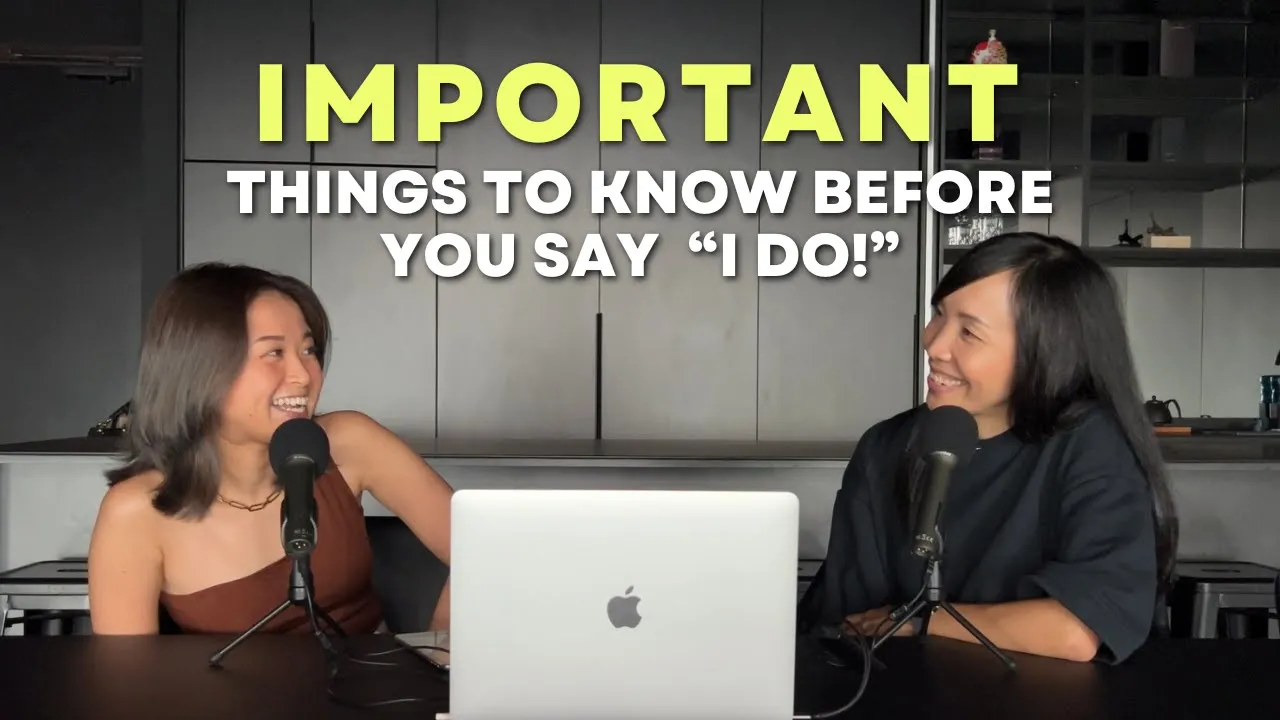
In this episode, we talked about:
- Why marriage feels scary and how uncertainty is a natural part of commitment
- The difference between planning a wedding and preparing for a marriage
- Why values matter more than emotions when choosing a life partner
- How to talk about values with partners who don’t enjoy deep conversations
- Family, family planning, and how misalignment can affect long-term relationships
- Why love alone is not enough to sustain a marriage
- What really causes couples to fall out of love — and how it can be prevented
- Financial expectations, money dynamics, and unspoken resentment
- Why conversations about debt and future responsibilities are crucial
- Sexual intimacy, emotional intimacy, and other forms of connection in marriage
- Dating and sexual history and when it helps (or harms) a relationship
- Power dynamics in modern relationships and empowered women in marriage
- Practical advice for couples before committing to marriage
Listen to the full episode now:
“People spend all the money and investment on the wedding, but they never plan for the marriage.”
Timestamp:
- 0:00 intro
- 1:00 what’s so scary about marriage?
- 2:44 values
- 5:23 how to talk about values with partners that don’t enjoy talking about it
- 7:43 family/family plannin
- 12:10 is love enough?
- 13:14 what if you suddenly don’t love each other anymore?
- 16:21 financial expectations
- 22:11 debts
- 25:13 sexual preferences and intimacy
- 30:40 expectations on sex life
- 34:04 dating/sexual history
- 37:35 empowered women – dynamics in modern relationships
- 43:13 advice for couples before getting into marriage
- 44:26 wrap up
“Love is a feeling, but commitment is a decision.”
Stay Connected With Esther:
Esther’s Instagram: https://www.instagram.com/esthershennyku/
Detailed Summary:
Introduction
In this episode of Small Girl Big Talk, we continue the Wedding Diaries series, where I invite guests to talk openly about marriage preparation — not just wedding planning. As someone who is getting married in about a year, I wanted to dedicate a full series to exploring the questions, fears, and realities of marriage.
Today’s guest is Esther Ku, a relationship coach who works closely with couples, including those at the later stages of marriage. This conversation focuses on the things you should know — or at least talk about — before committing to a lifetime together.
Why Marriage Feels Scary
Marriage can feel intimidating because it represents a lifetime commitment. Choosing one person forever comes with a lot of “what ifs,” and social media often amplifies fears by highlighting everything that can go wrong.
Esther shares that while too much information can sometimes create fear, intentional conversations can help couples feel more grounded and prepared.
Values: The Foundation of Marriage
Values — not emotions — are what truly drive long-term relationships. While attraction and chemistry bring people together, values determine how life unfolds after the honeymoon phase.
If your partner doesn’t enjoy talking about values, Esther suggests observing how they talk about family, friends, work, and life decisions. Values reveal themselves through everyday conversations, not formal sit-down meetings.
Relationship success comes from accepting who your partner is — not expecting them to become someone else later.
Family and Family Planning
Talking about family expectations is essential, including whether both partners want marriage, children, or a certain lifestyle. Esther shares real-life examples where couples started aligned but grew apart when one partner’s desires changed.
The key takeaway: alignment today doesn’t guarantee alignment forever — but ongoing communication helps couples navigate change together.
Is Love Enough?
Love alone is not enough to sustain a marriage. Love is a feeling that comes and goes, while commitment is a conscious decision.
Commitment looks like:
- choosing each other daily
- making time
- learning how to communicate and fight better
- adapting to different life seasons together
Couples don’t suddenly fall out of love — it usually happens when effort, connection, or communication slowly stops.
Financial Expectations and Debts
Money is one of the biggest stressors in relationships. Couples need to talk about:
- financial expectations
- who pays for what
- working after marriage
- children and caregiving responsibilities
- existing debts
- future responsibilities, including caring for aging parents
Unspoken financial expectations often lead to resentment, especially when values around money differ.
Sexual Intimacy and Connection
Sex is important — but it’s not the only form of intimacy that sustains a marriage. Esther explains that emotional, financial, and recreational intimacy all play critical roles.
If emotional safety disappears, physical intimacy often follows. Long-term relationships survive by building multiple forms of intimacy, especially during difficult seasons.
Honest communication matters more than perfection.
Dating and Sexual History
Whether to discuss past relationships depends on emotional readiness. For some, knowing the past helps build trust; for others, it fuels insecurity and comparison.
Healthy relationships focus on who you are now — not who you were before.
Empowered Women and Modern Relationship Dynamics
As more women become educated, ambitious, and financially independent, traditional relationship dynamics are shifting.
High-achieving women need to honestly reflect on whether they are comfortable with non-traditional roles at home. Successful relationships work best when both partners play to their strengths — without comparison or resentment.
Advice for Couples Before Marriage
Esther strongly encourages couples to invest in marriage preparation, not just wedding planning. Premarital courses and intentional conversations can surface important topics that couples may never think to discuss otherwise.
Preparing for marriage is one of the greatest gifts you can give your future relationship.
Conclusion
Marriage isn’t about certainty — it’s about commitment, communication, and choosing to grow together through different seasons of life. Knowing what to talk about, staying curious about your partner, and being honest about expectations can make all the difference.
This episode is an invitation to shift the focus from planning a perfect wedding to building a meaningful, sustainable marriage.