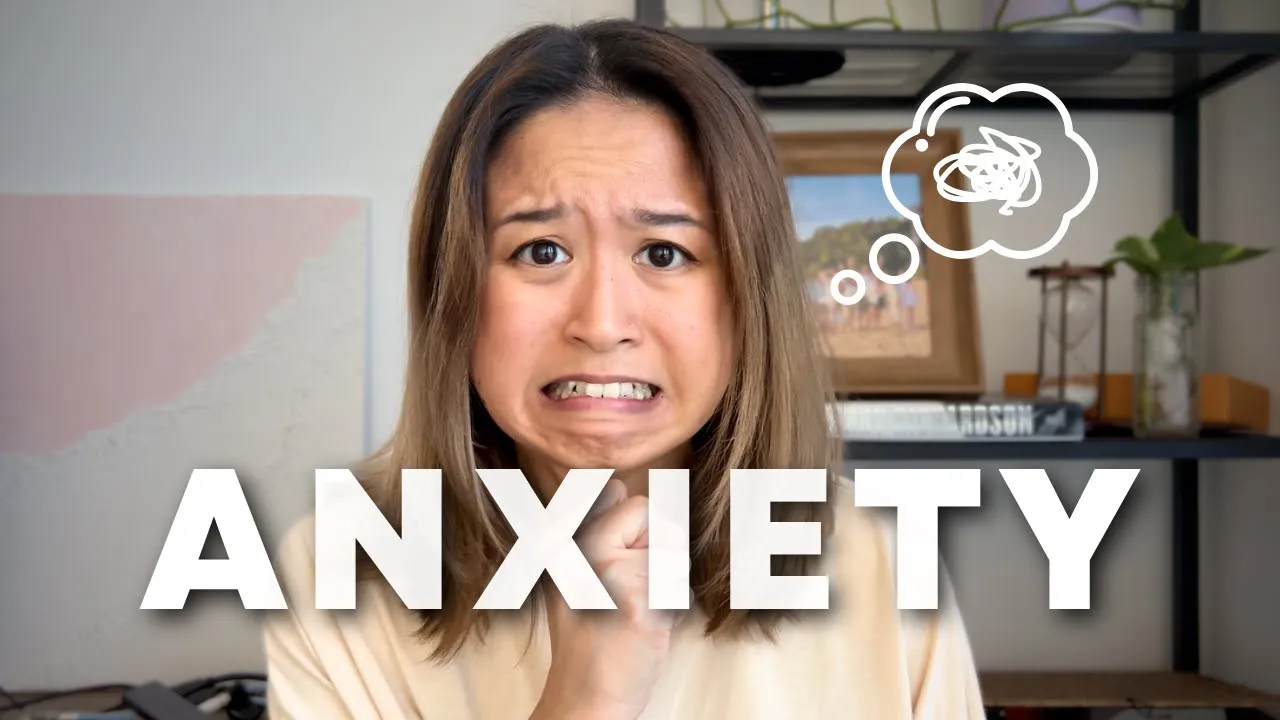
In this episode, we talked about:
- Recognizing physical and emotional symptoms of anxiety.
- Breathing and grounding exercises to manage acute anxiety.
- Reflective practices like journaling, meditation, and prayer.
- Prioritizing tasks and delegating responsibilities to reduce mental load.
- Navigating fear of failure while transitioning in personal and professional life.
- Building and trusting in a community for mutual support.
Listen to the full episode now:
“Slowing your breath signals to your body that you are safe and can cope.”
Timestamp:
0:00: Intro
2:56: My experience with anxiety attacks
6:24: Coping with conscious breathing
8:49: 5-4-3-2-1 grounding exercise
14:23: Spiritual work: self-reflection and meditation
17:53: Delegating and eliminating tasks
21:45: Staying focused on your main goal
23:50: Special announcement: Starting a community
30:02: Outro
“Delegating what you don’t need to do frees mental space to focus on what matters.”
Detailed Summary:
Introduction
In this episode of Small Girl Big Talk, Wendy opens up about navigating anxiety and fear while continuing to move forward in life. Drawing from personal experiences, including her wedding planning, entrepreneurship journey, and podcasting milestones, she shares practical coping strategies, grounding exercises, and reflections on managing mental health while pursuing personal growth.
Acknowledging Fear and Anxiety
- Milestones vs. Mental Health:
- Celebrating episode 50 of the podcast and personal achievements.
- Experiencing anxiety despite positive life events (e.g., weddings, career progress).
- Personal Context:
- Wendy has a history of depression and PTSD, which informs her understanding of mental health.
- Anxiety attacks emerged with physical symptoms like shortness of breath, fast heartbeat, stomach aches, and headaches.
- Generational Context:
- Ambitious lifestyles and information overload contribute to anxiety in today’s generation.
Practical Coping Strategies for Anxiety
- Conscious Breathing:
- Slow, controlled breathing signals the nervous system to relax.
- Helps the brain recognize that the body is not in immediate danger.
- Grounding Exercises:
- 5-4-3-2-1 Technique: Uses the five senses to anchor in the present.
- 5 things you see
- 4 things you touch
- 3 things you hear
- 2 things you smell
- 1 thing you taste
- Checking the date and time to remind yourself of the present moment.
- 5-4-3-2-1 Technique: Uses the five senses to anchor in the present.
- Deeper Work:
- Self-reflection and journaling to identify triggers and underlying causes.
- Meditation or conscious thinking time to process emotions.
- Spiritual practices, including prayer, to provide perspective and calm.
- Delegating and Eliminating Tasks:
- Hiring help (e.g., part-time maid) to reduce mental load.
- Prioritizing important tasks and letting go of unnecessary stressors.
- Accepting breaks in content creation (podcast and social media) as part of self-care.
- Shifting Focus with Intention:
- Transitioning from short-form content to long-form podcasting.
- Embracing the fear of irrelevance and trusting long-term growth.
Building a Community for Support
- Wendy plans to launch a community element to the podcast.
- Purpose: Create a safe space for personal growth discussions and mutual support.
- Moving forward despite fear and uncertainty is modeled by taking action, even if outcomes are uncertain.
Conclusion
Wendy emphasizes that anxiety is an ongoing process, not a one-time challenge. By combining grounding techniques, self-reflection, delegation, and community support, it’s possible to continue moving forward despite fear. She also invites listeners to join the upcoming community space for shared growth and connection, reinforcing that personal growth and coping with anxiety are journeys best experienced together.