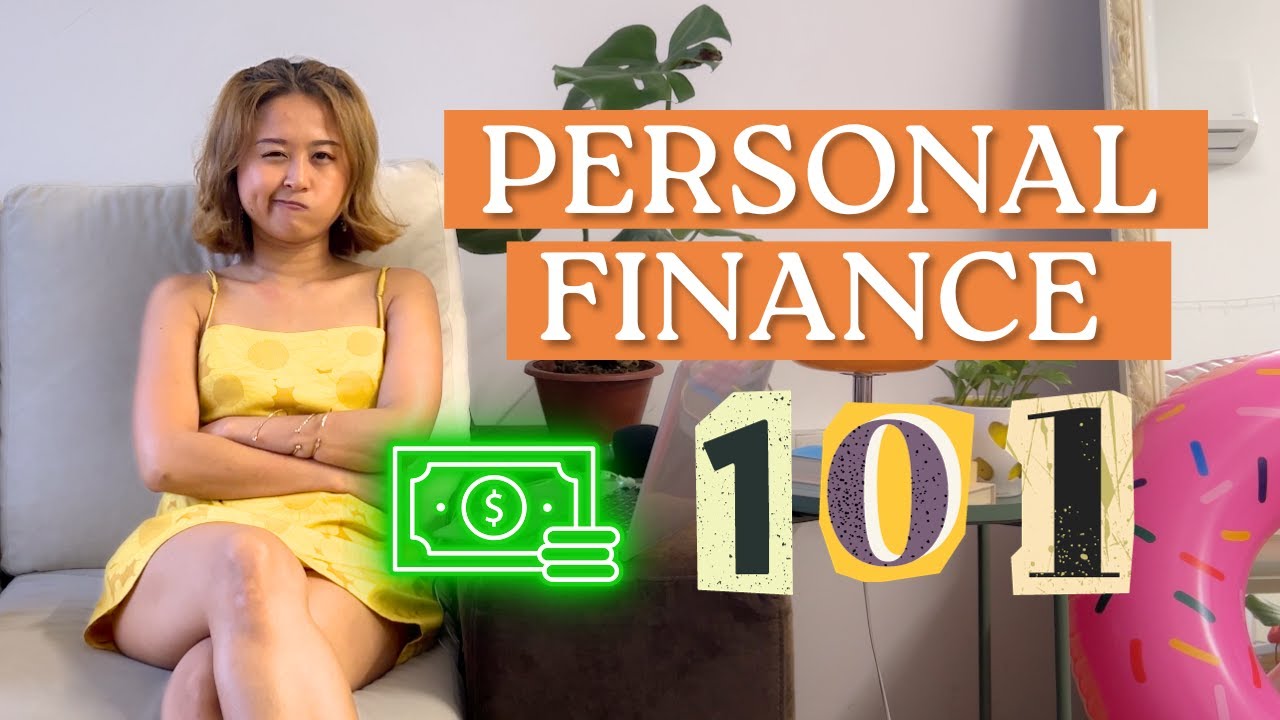
In this episode, we talked about:
- The importance of starting savings early and maintaining an emergency fund.
- Creating sinking funds for anticipated expenses like travel, gifts, and annual bills.
- Starting work early to develop financial habits and build a foundation.
- Using credit cards strategically to build credit and earn rewards, while avoiding debt cycles.
- Tracking all income and expenses to gain clarity, reduce stress, and make better financial decisions.
- How foundational personal finance skills prepare you for managing bigger financial responsibilities, like running a business.
Listen to the full episode now:
“Money is like sex—it is so important to humankind, and yet it’s such a taboo to talk about.”
Timestamp:
- 0:00 intro
- 2:31 my financial background/foundation
- 6:15 importance of savings
- 8:12 emergency/rainy day funds
- 9:46 sinking funds
- 11:48 start working during university
- 13:41 credit card debts
- 18:05 track all your expenses!
- 24:02 summary
- 26:11 outro
“Personal finances are like a muscle: the sooner you start managing them, the sooner you get used to it and get better at it.”
Tool mentioned in this episode:
Money Manager app (available on iOS and Android for free): https://bit.ly/3tMdmHJ
Detailed Summary:
Introduction
Money is like sex—it’s so important to humankind, and yet it’s such a taboo to talk about. In this episode of Small Girl Big Talk, Wendy dives into her personal financial journey, sharing lessons she wishes she had known in her 20s. From savings and credit card management to tracking expenses, this episode is all about building a solid financial foundation—without feeling like you need to be a financial expert.
Wendy starts by sharing her background. Coming from a working-class family, her parents did their best to provide for her and her siblings, but financial discussions were practically nonexistent. When she moved to Canada for her scholarship-funded studies, she suddenly had to manage her own finances as an 18-year-old. “What I know about money today is really an accumulation of mistakes I’ve made, learning online, reading books, and getting advice from friends and mentors,” she says.
Savings: The Foundation of Security
Savings was the first lesson Wendy wished she had learned earlier. She explains how, growing up, spending often came before saving, and how social media and marketing constantly tempt people to buy the next big thing. Only in recent years did she realize the importance of setting aside money first—before spending it.
Emergency funds are essential. Wendy recommends saving enough to cover three to six months of living expenses. This fund offers peace of mind and security in case of sudden job loss or unexpected events. Sinking funds are another strategy she loves: buckets of money allocated for anticipated big expenses like travel, annual bills, or gifts. This approach helps avoid the constant stress of feeling like money is never enough. As Wendy reflects, “Savings has given me a huge sense of security. It allowed me to take an eight-month mental health break and handle a sudden layoff without panicking.”
Start Working Early
Wendy wishes she had started working and managing money as soon as university began. Even small part-time jobs build financial awareness and discipline. The sooner you practice managing money, the sooner you develop good habits, build an emergency fund, and eventually have the option to invest and grow wealth. Personal finance is like a muscle: the earlier you start, the stronger you get.
Credit Cards: Tools, Not Traps
Contrary to common belief, credit cards aren’t evil—they can be a powerful tool when used wisely. They help build credit scores, provide rewards, and assist in managing cash flow. The key, Wendy emphasizes, is to avoid maxing out cards and only paying the minimum, which can trap you in long-term debt. She shares her own experience of being stuck in a credit card debt cycle for nearly a year and how tracking her spending and planning repayments allowed her to finally break free.
Tracking Expenses: Clarity Brings Control
Tracking every dollar in and out of your accounts is a game-changer. Wendy explains that in her early 20s, she only had a vague sense of her spending, which left her feeling out of control. By using an expense-tracking app and reviewing her finances weekly and monthly, she gained clarity on her cash flow, identified overspending, and improved her budget. She noticed patterns, like frequent gift spending, and created sinking funds to plan ahead. This habit also highlighted areas for potential income growth, motivating her to diversify her revenue streams.
Conclusion
Wendy reminds listeners that personal finance isn’t about being perfect—it’s about building habits and learning from mistakes. With savings, planned spending, and mindful tracking, you create security, reduce stress, and position yourself for growth. She encourages everyone to start where they are, no matter their age, and emphasizes that financial literacy is a lifelong journey.